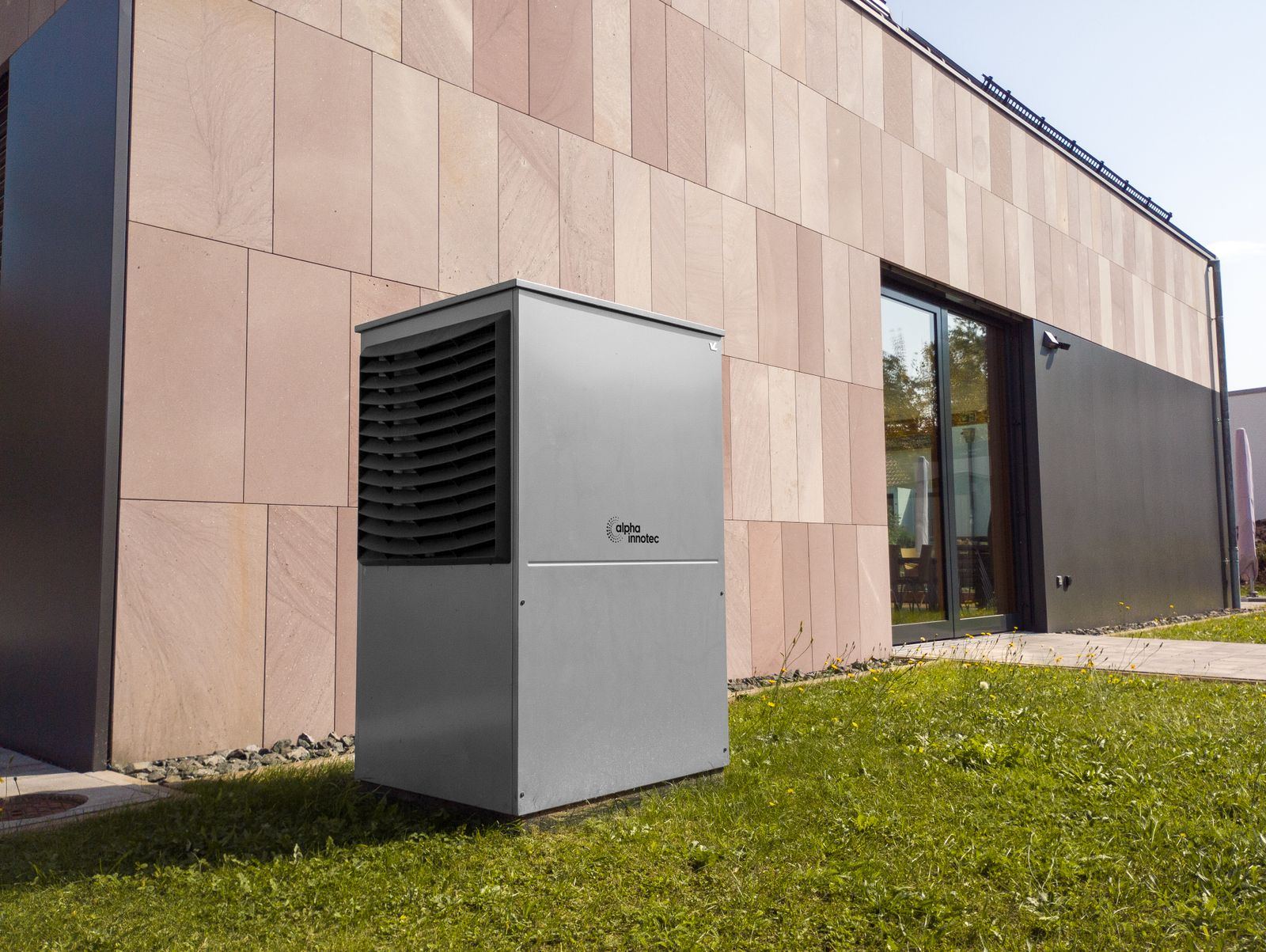
Standard electric water heaters make heat the expensive way: current runs through a resistance element, and every bit of warmth in the tank is paid for at the meter. A heat pump water heater, often called a hybrid, works differently. A compressor and coil mounted on top collect heat already present in the room air and transfer it into the water, the same principle your refrigerator uses to keep groceries cold. The result is a Uniform Energy Factor that commonly lands at 3 or above, roughly triple the efficiency of a resistance-only tank. For Encinitas, CA households that already heat water with electricity, few upgrades cut a monthly bill as directly.
Placement is where a heat pump water heater succeeds or fails. The unit draws heat from the air around it, so manufacturers generally want around 700 cubic feet of open space, or ducting to borrow air from a larger area when the utility closet is tight. The exhaust air comes out cooler and drier, a bonus in a humid basement or hot garage and a drawback in a small, already chilly space. Compressor operation has a comfortable range: in a space that drops near freezing, the unit switches to its electric elements and the efficiency advantage disappears for those hours. Add a condensate line that must drain by gravity or pump, a fan and compressor that make about as much noise as a dishwasher, and a dedicated 240-volt circuit on most models, and you can see why the planning deserves as much attention as the equipment.
The final piece is setup. Nearly every hybrid ships with multiple operating modes: heat pump only for the lowest operating cost, hybrid for a balance of efficiency and recovery, electric or high demand for heavy-use days, and a vacation setting that holds the water barely warm while you are away. Because the heat pump recovers more slowly than an element, we often suggest stepping up one tank size, say from 50 to 65 gallons, so the household rarely needs the elements at all. We install the unit with a proper drain pan and condensate line, the correct circuit, an expansion tank where the plumbing calls for one, and a scald-safe temperature setting, then walk you through the modes. Utility rebates and federal tax credits exist for many qualifying models, and we can point you toward the programs to check, though eligibility always depends on the program. For a heat pump water heater in Encinitas planned around your actual space, call (760) 210-1359.
What homeowners call us about most is Water Heater Installation in Encinitas. Either is a good place to start.
When to Call for Heat Pump Water Heaters
Water heaters usually give plenty of warning before they fail, as long as you know what to look and listen for. Here are the most common indicators that it's time to call a professional:
- Open space around the current water heater, such as a basement or garage
- A hot garage in summer that pulls heat the unit can put to use
- High electric bills in a household that uses a lot of hot water
- Your electric tank is past the ten-year mark and you would rather plan than wait for a leak
- Solar panels or a move toward an all-electric home
- A plan to take advantage of efficiency incentives where they apply
- A damp basement that could use the free dehumidifying a hybrid provides
- Existing electric water heater wiring that may serve the new unit
Act Before It Gets Worse
A little rust-colored water or a relief valve that drips now and then can be the first hint of a tank that is close to the end. A quick call to (760) 210-1359 gets a technician out to check it before it becomes an emergency.
Need Help With Heat Pump Water Heaters?
Call Encinitas Water Heater for fast, reliable service.
Call (760) 210-1359 TodayHeat Pump Water Heaters FAQ
What a Trained Technician Brings to the Job
A hybrid looks like an ordinary tank with a lid on it, but it combines three trades in one appliance: plumbing, electrical, and a sealed refrigerant system. The water side needs proper connections, a relief valve discharged to a safe location, and an expansion tank where the plumbing is closed. The electrical side needs a circuit and breaker sized to the nameplate, not whatever happens to be there. Then there is the part DIY guides skip: whether the room can actually feed the compressor. A unit squeezed into a small closet without ducting runs on its elements most of the time, which means paying hybrid prices for standard electric performance.
The install itself has its own demands. A filled 65 or 80 gallon tank is extremely heavy, the unit is taller than most standard heaters, and condensate needs a route that will not overflow onto a finished floor. Switching from gas adds capping the gas line, removing or sealing the old vent, and running new power. Refrigerant repairs on the sealed system call for specific training and recovery equipment. Our experienced technicians plan all of it from the first visit, set up the modes before they leave, and give you the product details you need for any rebate or tax credit paperwork, while leaving eligibility decisions to the program itself.
Step by Step: How a Visit Works
We work through a clear, repeatable process so you always know what's happening and what it will cost. Here's exactly how a typical visit unfolds:
Site Survey
The survey covers room volume, seasonal temperature, the condensate route, and electrical capacity, so we know whether the space works as is or needs ducting.
Right-Sizing the Tank
We size the tank to how your household actually uses hot water, keeping in mind that compressor recovery is slower than an element's.
Installation and Condensate
The old tank is drained and removed, the hybrid is set in a drain pan, and we connect water, power, the relief valve discharge, and a condensate line to a drain or pump.
Mode Setup and Walkthrough
After a test run, we program the operating mode and temperature and show you how to clean the air filter and use vacation mode.
Not Sure What You Need?
Our technicians can assess your water heater and recommend the option that actually makes sense.
Get Help: (760) 210-1359Prevention Tips That Actually Help
Routine maintenance is almost always cheaper and easier than an early replacement. Here's where to begin:
- Put the unit in vacation mode whenever the house will sit empty for a while
- Clean the air filter on top of the unit every few months so the compressor can breathe
- Check that condensate is reaching the drain and the pan stays dry
- Have the tank flushed annually so sediment does not coat the elements
- Keep the space around the unit open and free of boxes, laundry, and stored clutter
- Keep fumes and heavy dust away from the air the unit draws in
- Have the anode rod inspected every few years to protect the tank from corrosion
Comparing DIY and Professional Work
Some simple checks are fine to do yourself, but most water heater repairs benefit from professional tools, training, and experience. Here's how the two approaches stack up:
| Consideration | DIY Attempt | Professional Service |
|---|---|---|
| Placement | Put where the old tank was, ready or not | Room sized and assessed for airflow |
| Wiring | Old tank wiring assumed to be fine | Breaker and wire sized correctly |
| Drainage | No reliable drain path | Condensate path planned and verified |
| Tank Capacity | Same size as the old tank by default | Sized for peak demand and recovery |
| Operating Mode | Stuck in electric mode | Controls explained before we leave |
| Code Items | Local requirements unknown | Code items addressed where required |
Let's Get Your Hot Water Back
The sooner you call, the sooner the hot water is back. Reach Encinitas Water Heater for fast service.
Call (760) 210-1359 TodayHeat Pump Water Heaters Across the Encinitas Area
We bring heat pump water heaters to homes and businesses in town and across the nearby communities. Pick your area to see local details.